


A calmer flight
starts with a plan.
Help for the next trip, with skills to build on.
ReadytoFly is a fear of flying app with a personal program shaped around what makes flying difficult. Prepare for the thoughts and sensations that unsettle you, practise ways to respond, and take guided support into the flight.
Find what to focus on before your next flight.








PIX11 New York, WGN 9 Chicago, KRON4 San Francisco, FOX 2 St. Louis, FOX31 Denver, FOX 8 Cleveland and KXAN Austin.
Read the announcementDifferent worries. Support that fits.
For some, it’s the feeling of leaving the ground. For others, it’s the closed cabin door or the thoughts that start long before departure. ReadytoFly uses your answers to guide you toward relevant preparation and support.
-
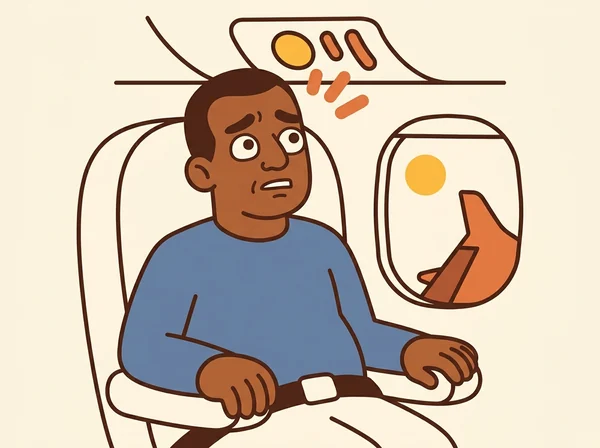
Marcus
When your body reacts
“I know the safety facts. Then the plane moves, and my body reacts anyway.”
Understand common flight sensations and practise a response you can use in the seat.
-
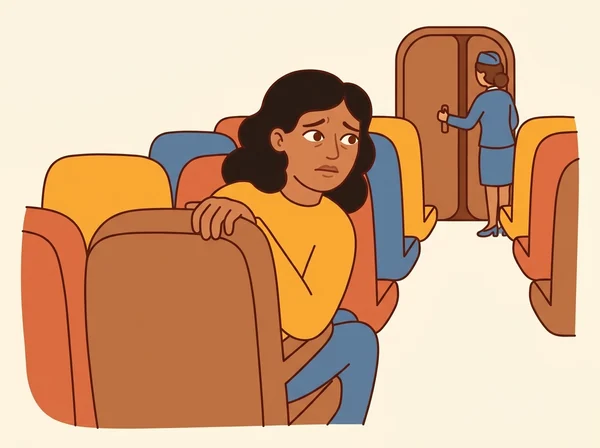
Ines
When the door closes
“I’m fine at the gate. It’s knowing I can’t step outside that gets me.”
Prepare for the feeling of being confined, with grounding exercises to bring your attention back to the moment.
-

Halima
When the feeling itself becomes the worry
“I keep thinking about how overwhelmed I might feel once we’re in the air.”
Practise making room for difficult feelings and choosing what to do next.
-
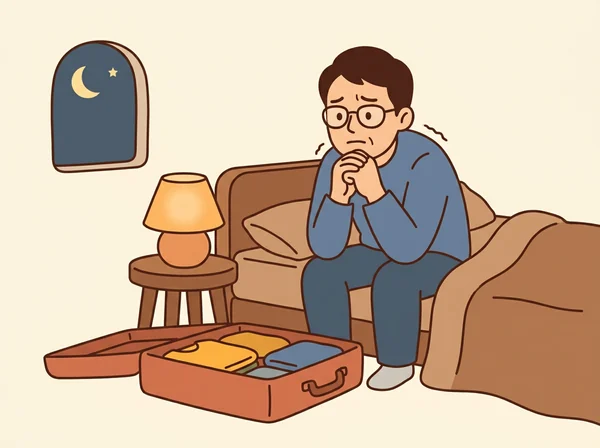
Joon
When a feeling starts to seem like a warning
“I keep reading a bad feeling as a sign about this flight.”
Practise noticing the thought, questioning what it means, and returning your attention to what you can do now.
-
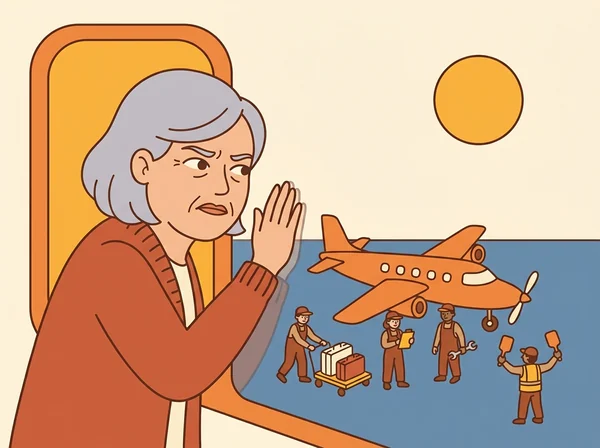
Ruth
When trusting the checks is the hard part
“I want to know who checked everything. Not being able to see for myself is hard.”
Explore the worry about the people and checks behind a flight, and practise responding when you can’t check everything yourself.
These are illustrative characters and experiences based on fearful flyers’ conversations. The names and wording are invented. These are not customer testimonials.
More than one may feel familiar. The assessment gives you a place to start.
When flying feels hard,
know your next step.
The flight-day companion brings guidance to each stage of the day, from getting ready at home to arriving. Download its sessions beforehand so they’re there when you need guidance to follow.
An example flight day, with earlier stages completed, taxi and takeoff highlighted, and later stages still ahead.
Before the airport
- At homePrepare for the day ahead.
- Heading outTake the support with you.

Inside the airport
- SecurityFocus on the next small step.
- BoardingSettle into your seat.


In the seat
- Taxi & takeoffUnderstand common sounds and sensations. You are here

- In the airFind support for difficult moments.
- Coming downFollow guidance through descent.


The other side
- Landed, arrivingNotice what you managed.

Choose the voice you want beside you.
Follow your preparation and flight-day sessions in the voice you prefer, with clear guidance through the moments you find hardest.

Skills to practise before takeoff.
Guidance to follow on board.
 Give the countdown a plan.
When the flight keeps taking over the evening, have somewhere useful to start. Short daily sessions guide your preparation around the time before your flight, with support for the night before and the morning you leave.
 Practise responding to the thoughts that return.
Work through a worried thought, consider another way to understand it, and practise what to do when it comes back. Build familiarity before you need those skills on the plane.
 Have something practical to do in the seat.
Follow a breathing rhythm or a grounding exercise that brings your attention to what you can see, hear, and feel around you. Clear instructions give you an action to follow when concentrating feels difficult.
 Keep the support with you in airplane mode.
Download the sessions you want before takeoff. They stay available without a connection, alongside breathing and grounding tools you can use in the seat.
 The trip is the point.
The people at arrivals. The week away. The places you’ve wanted to see. Prepare for the flight so there’s more room to look forward to what comes after it.
After landing, reflect on what helped and what you want to carry into the next trip.
Practical help for the next flight. Confidence to build on.
Understand the feeling.
Practise a response.
Knowing the facts can help. Having a response ready matters too. ReadytoFly brings together explanations, guided practice, and in-the-moment exercises, drawing on cognitive behavioural therapy (CBT) and acceptance and commitment therapy (ACT).

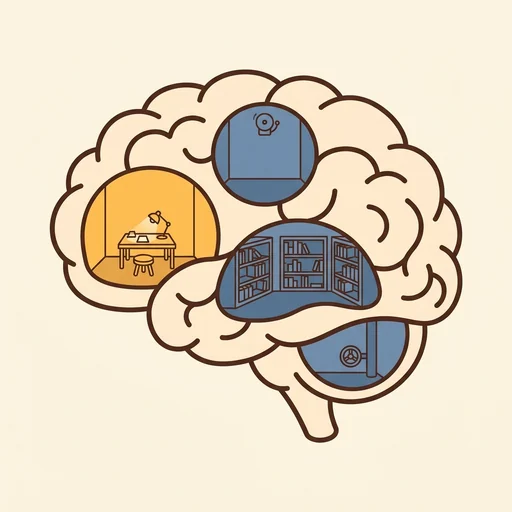
Notice what sets the alarm off.
A sound, a sensation, or a thought can make flying feel difficult. Start by noticing which moments matter most, so you have a useful focus for preparation.
Work with the thought that follows.
CBT exercises help you notice a worried prediction, look at the evidence, and consider another way to understand the situation. Practise a response you can return to during the flight.

Learn from your own experience.
After a flight, look back at what you expected, what happened, and what helped. Keep that experience available to reflect on before the next trip.

Respond when your body reacts.
A racing heart or tense shoulders can make it hard to focus. Guided breathing and grounding give you a practical action to follow. ACT practice helps you respond even when an uncomfortable feeling is still there.
What people are saying
“I've been afraid of flying for 3 years. All the programs don't work. This is so different and the approach is easy to follow.”
“This app really helped me get over my fears of flying and I haven't found something like it before!”
“My girlfriend is using this app and she is now very comfortable taking the plane!”

I never thought I’d be afraid to fly.
Born in Ecuador and raised in different places, I grew up flying. Airplanes were part of my life. When flying became frightening, knowing how familiar it was didn’t make the feeling disappear.
Read my story →Close my story ↑
The flight that changed things
I was 18, flying from Singapore to Nepal, when we hit severe turbulence over the Himalayas. I had felt turbulence before. This time, seeing how frightened my friends were changed how I felt too.
Knowing more wasn’t enough for me
I kept flying. Hundreds of flights later, I was still negotiating with dread.
I researched aircraft engineering and learned about the sounds in the cabin. I could understand what was happening and still find the experience difficult.
What began to change
I started working differently with the thoughts and feelings that came with flying. I noticed changes in ordinary moments: booking a flight, sleeping the night before, sitting down on board. Those were the changes that mattered to me.
I built ReadytoFly to bring together preparation before a flight, guidance through the day, and skills to carry forward. I want flying to take up less space in our lives, so there’s more room for the reasons we travel.
Martin, Founder

Dr. Javier Vega Carranza
MD, MSc Clinical Psychology
Dr. Vega helped shape the structure of the program’s modules. ReadytoFly brings that framework into guided preparation and exercises for the moments people find difficult before and during a flight.
Approach and further reading: The Happiness Trap (Russ Harris) · Feeling Good (David D. Burns) · DARE (Barry McDonagh) · Beyond Anxiety (Martha Beck)
Preparation and flight-day support, together.
Compare how each option fits into the time before a flight and the moments on board.
- ✓ Built around flying
- ✓ Guided CBT and ACT practice
- ✓ Short sessions to return to before a flight
- ✓ Downloaded sessions and offline tools for the seat
- ✓ Guided post-flight reflection
- $79.99/year or $9.99/week
The annual plan offers a 3-day free trial, then $79.99/year. The weekly plan is $9.99/week, billed from the start.
Features, methods, and prices vary by provider. Explore the detailed comparisons to see which approach fits what you’re looking for. Compare fear of flying apps → · Explore courses and apps →
Questions before you start?
Something else on your mind?
Email us
Message us on WhatsApp
What is ReadytoFly?
How does the program help?
The program helps you practise responding to worried thoughts and uncomfortable feelings before you fly. During the flight, you can return to that guidance and use breathing or grounding exercises in the seat.
The aim is to make difficult moments more manageable while building confidence over time.
How can I tell whether it fits what I need?
How is it different from a general meditation app?
ReadytoFly is organized around flying: preparing before departure, understanding common cabin sounds and sensations, and finding guidance for each stage of the flight day.
Those pieces sit together in one program you can return to before and during a trip.
How long before my flight should I start?
You can start before you have a flight booked or when one is approaching. More time gives you room to practise, but you don’t have to complete the whole program before using flight-day support.
Before departure, download the sessions you want to take with you.
Can I use it on the plane?
Yes. Breathing and grounding tools work without a connection. Download your chosen sessions before departure to play them in airplane mode.
The online guide still needs an internet connection.
What is free, and what does the app cost?
The website assessment is free and doesn’t ask for a card.
The annual plan offers a 3-day free trial, then $79.99/year. The weekly plan is $9.99/week, billed from the start. Apple handles billing, and you can manage or cancel the subscription in your iPhone settings.
What if I miss a day?
Return when you can. Short, regular practice gives you opportunities to become familiar with the exercises, but a missed day doesn’t erase what you’ve learned.
Start again with something useful for where you are now.
What if flying feels especially difficult?
You can begin with preparation and exercises at a pace that feels manageable.
If flying seriously limits daily life, or difficult feelings extend beyond travel, consider support from a qualified professional alongside the app.

Make more room to look forward to the trip.
Prepare for the moments that feel hardest, with support to take into the seat and skills to carry forward.